There’s a book at my daughter’s playgroup full of babies from a broad range of cultures. I hate reading it because the message is: whatever our background, our bodies are the same. It’s not my reality. Unfortunately, it’s something I come up against frequently.
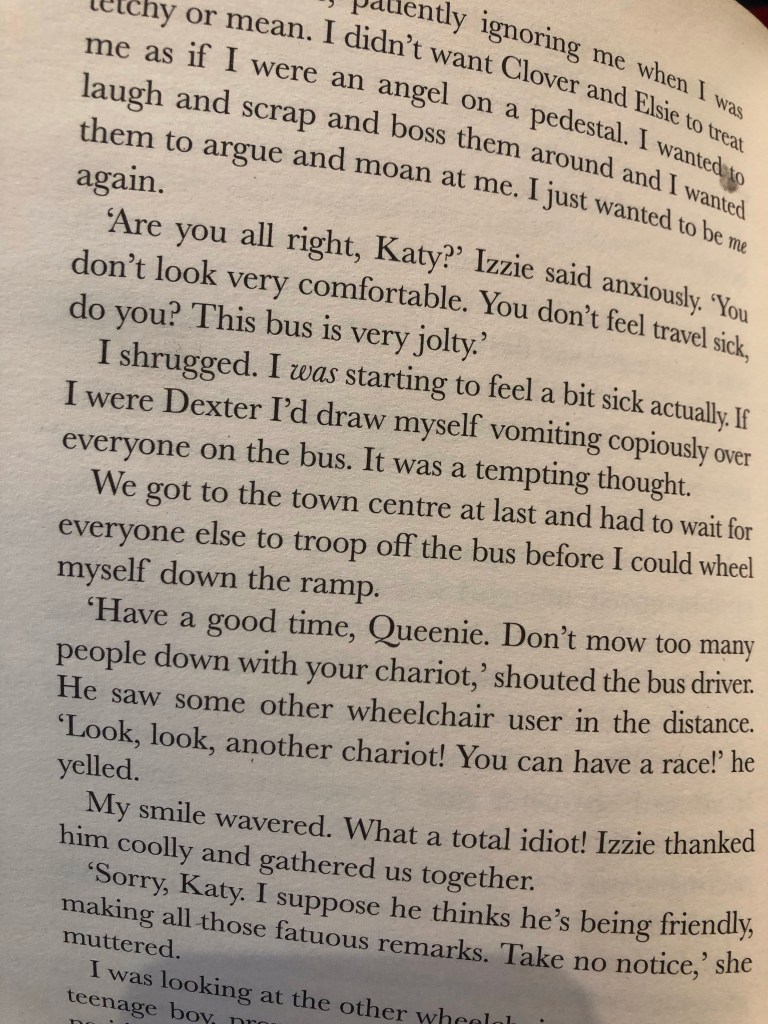
Whilst representation of minority groups has undoubtedly improved, the 17.8% of the UK population identifying as disabled * is frequently ignored. Any such portrayal is often simplistic, with disability as the single dimension. Media coverage swings between pity and inspiration, benefit claimants and superheroes.
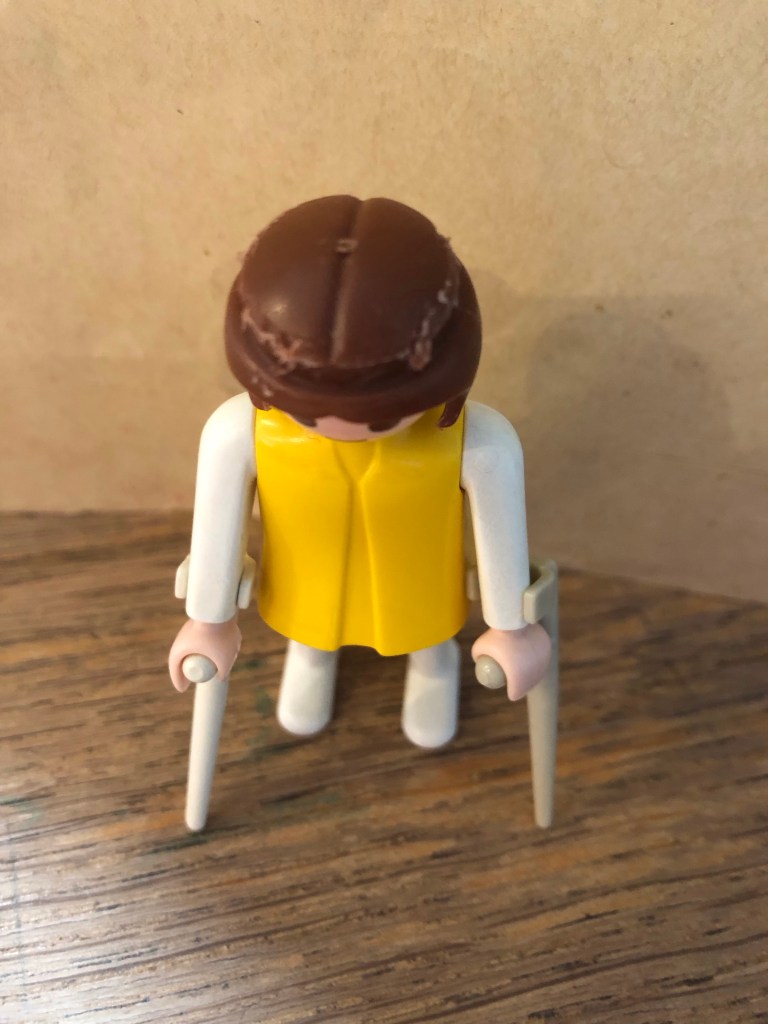
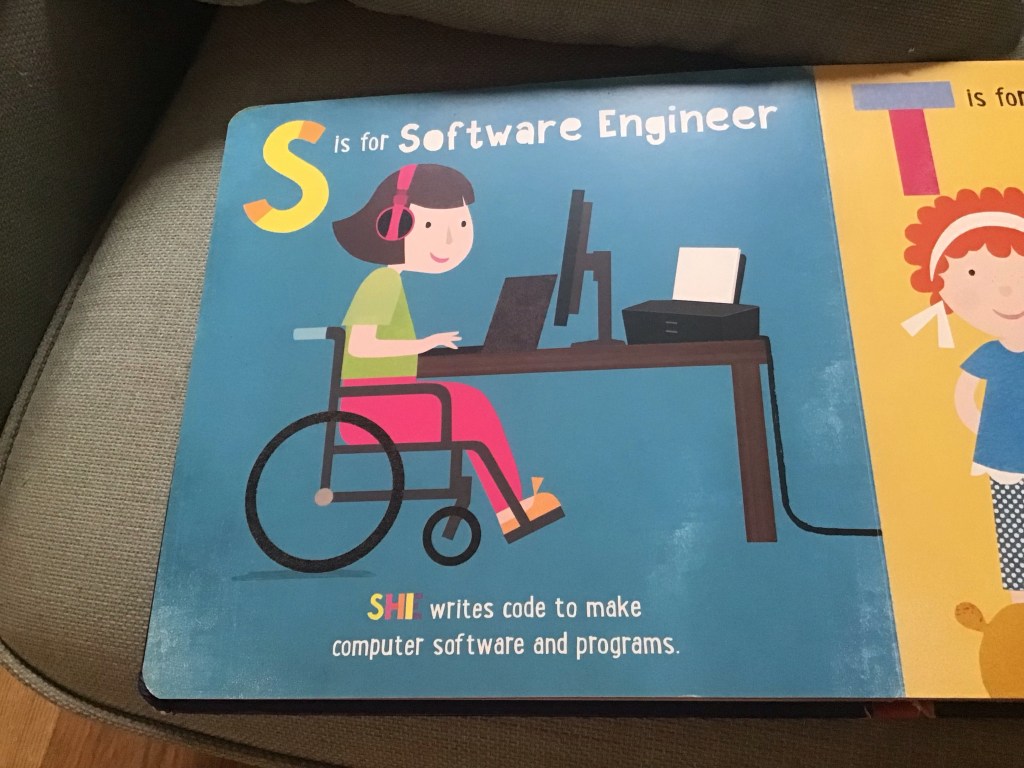
Efforts by toy manufacturers to develop inclusive dolls with impairments have been labelled as ‘woke’. However, I am joyous when I see a model using crutches; a wheelchair user presenting a programme unrelated to disability; an award-winning actress who happens to be disabled being interviewed on Radio 4; disability entering the mainstream thanks to programmes like Strictly.
In my experience, those bemoaning ‘political correctness gone mad’ are white, straight, middle class, non-disabled men!
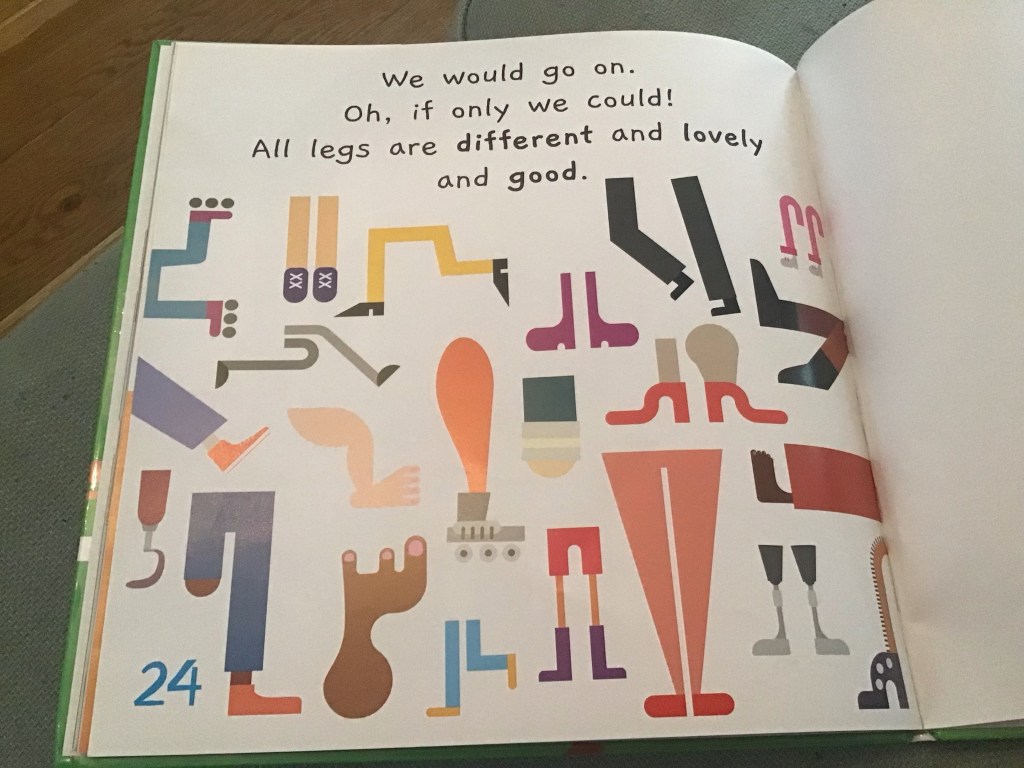
I long for a world where access requirements are considered as standard, where minority groups are understood in the widest terms, where I don’t hear people moaning about too many disabled spaces because they have some clue what it feels like to need one, where disabled presenters aren’t trolled for daring to express opinions. I want to read books which show my daughter that not every baby has ten fingers but that’s absolutely fine!
*UK Census 2021
@BookLifePublishing

 These Boobs Were Made For Talking