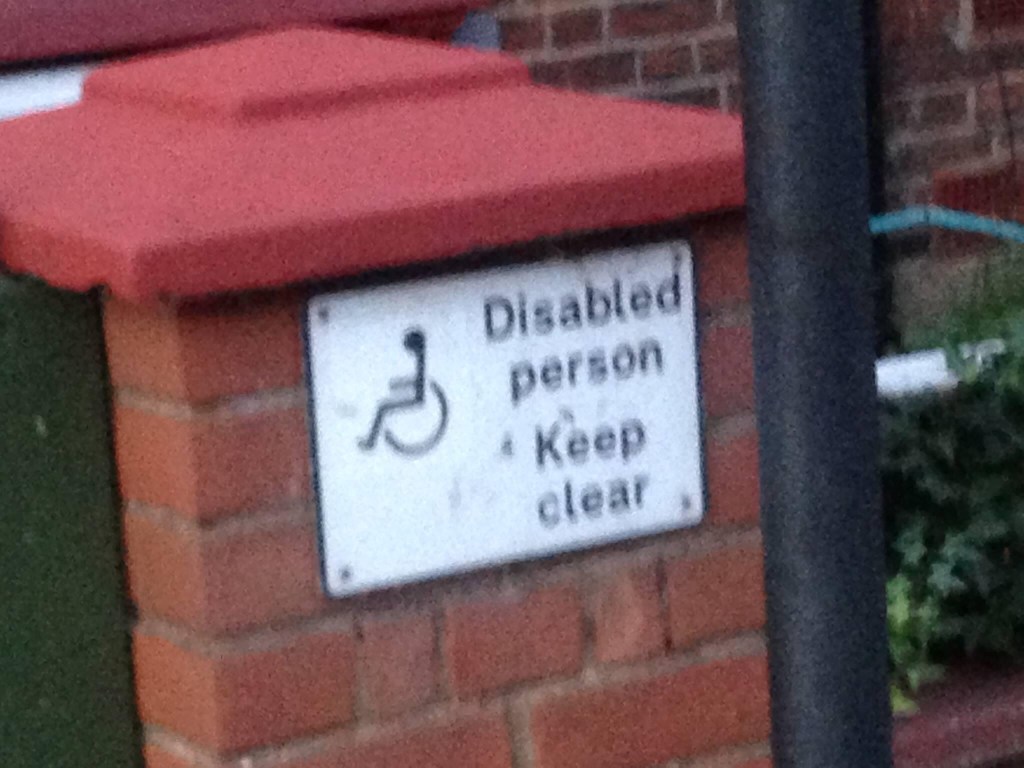
Until I got cancer I felt nothing but shame about being disabled.
I avoided my reflection growing up and retreated to a world of imaginary friends and fictional characters. I wouldn’t use the word. I said I used crutches or was ill as a baby.
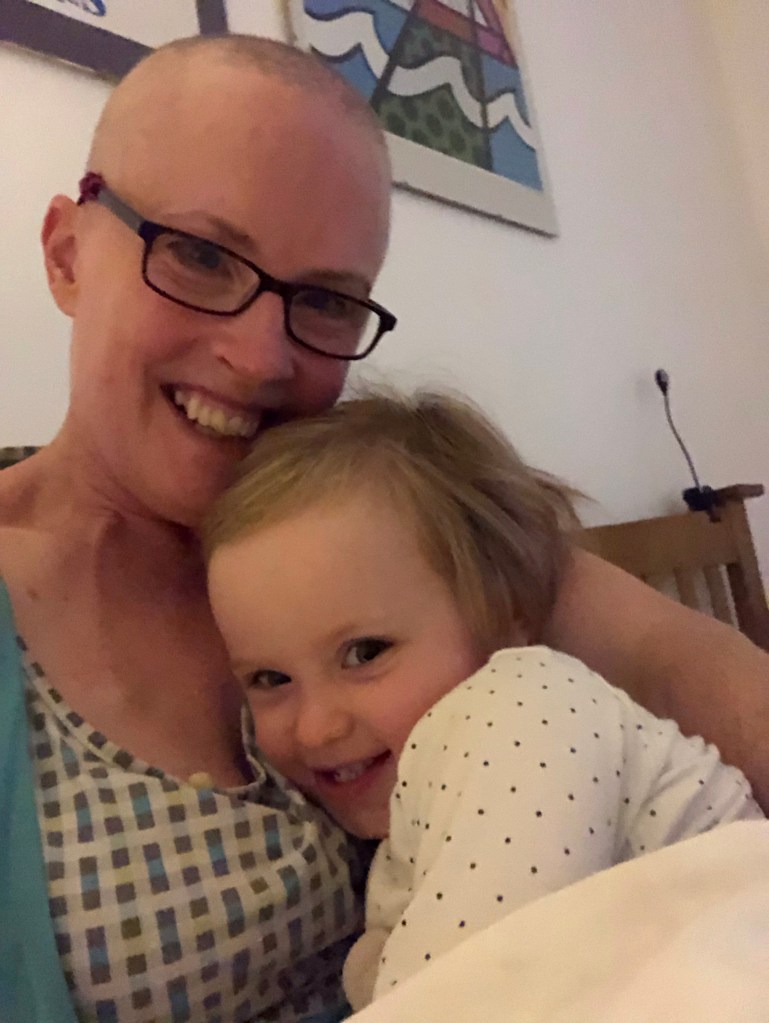
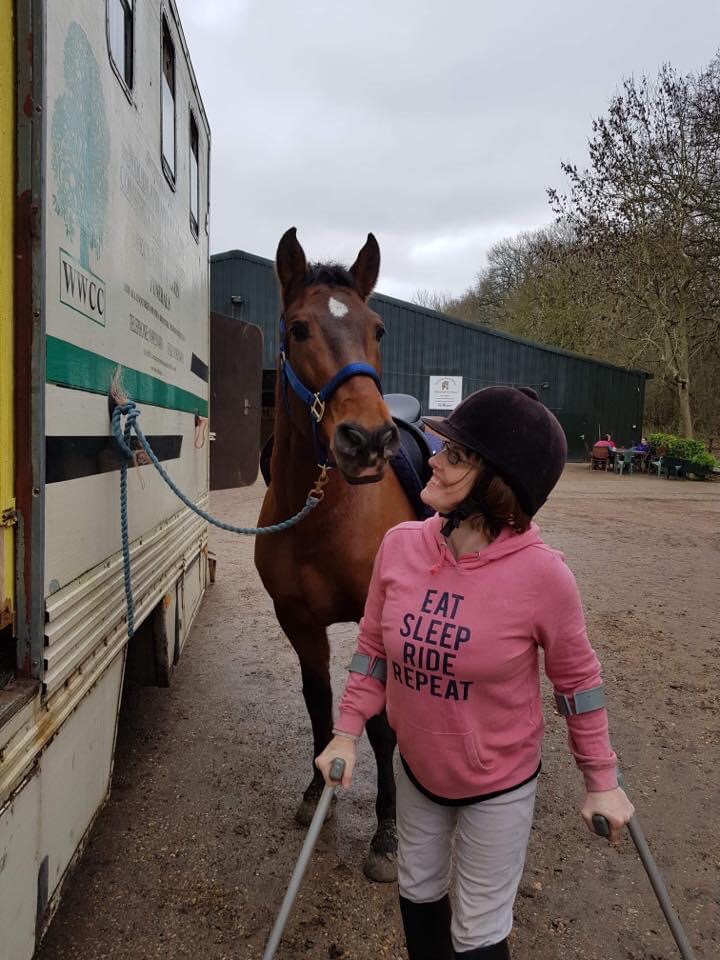
As an adult it is rare to hear the ableist insults that filled my ears as a child. Yet, words like confined and bound are still used to describe wheelchair users. I just watched a kids’ film with my three year old that included the word cripple. Celebrities have been called out for using the s-word in their songs. A recent radio conversation about my disability focused on neural defects and foetal abnormality. I’m frequently asked if I have cerebral palsy. I don’t.
‘But why don’t you tell people where to go?,’ asks a friend.
Easy. Shame.
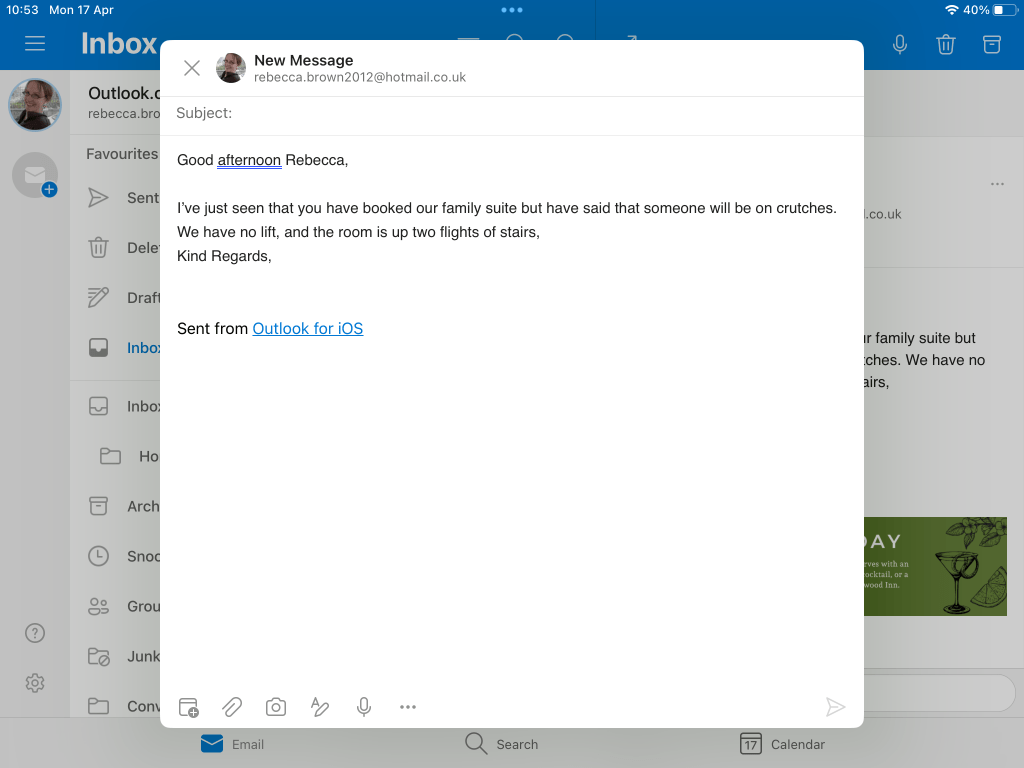
Contrast this with cancer. I get free tickets, sympathetic hugs, stories about family members; it is a shared experience. The language is encouraging: diagnosis, treatment, survival, recovery. You buy cakes and run marathons for cancer. You’d hopefully never steal a cancer patient’s parking space or tell them you know how they feel.
Is it because it affects so many of us? Of course, cancer is hardly sunshine and lollipops and secondary cancer is a real kick in the teeth. But the public perception is certainly different.
Whatever the reason, I’m now able to be myself. A disabled mum with incurable cancer. And I intend to use this opportunity for good.

 These Boobs Were Made For Talking